

Wood is a natural material. That is part of its beauty, but it also means it never completely stops moving. If you ignore this when building something, it can cause problems later.
Understanding wood movement is one of the basics of good woodworking. It helps you build pieces that last for years instead of months.
Why Wood Moves
Wood absorbs moisture from the air and releases it again when the air becomes drier. As this happens, the timber expands and contracts.
This movement happens mostly across the grain rather than along it. A wide board can change size quite a bit through the seasons, especially in the UK where humidity levels change regularly.
Problems Caused by Wood Movement
If wood movement is not considered during the build, several issues can appear later.
Common problems include:
Cracks forming in panels
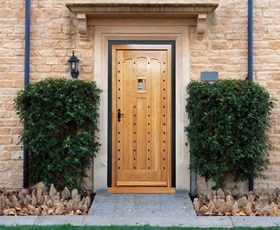
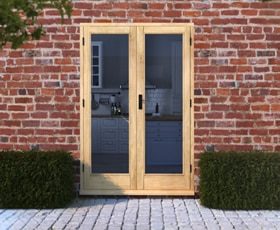
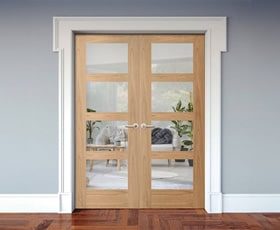
Doors sticking in frames
Joints opening up
Boards cupping or twisting
These problems are often not caused by bad workmanship, but by ignoring how timber naturally behaves.
Designing Around Wood Movement
Good woodworking allows timber to move without causing damage.
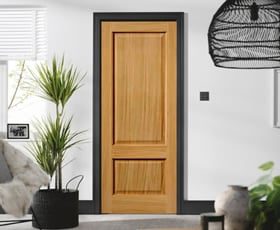
One common example is a frame and panel door. The outer frame holds the structure together, while the centre panel is left slightly loose inside the grooves. This allows the panel to expand and contract without splitting.
Another method is to avoid fixing wide boards tightly across the grain. If they cannot move, they will eventually split.
Choosing the Right Timber
Some timbers move more than others. Dense hardwoods such as oak can move quite a lot if the boards are wide. That is why careful design and proper joinery are important when working with them.
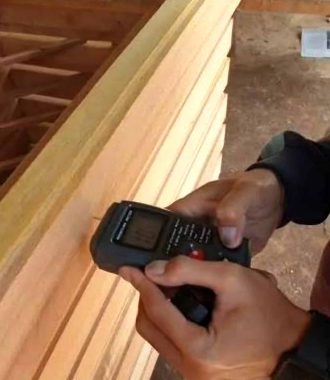
Using properly dried timber and allowing it to settle in the workshop before machining also helps reduce problems later.
Final Thoughts
Wood movement is something every woodworker learns sooner or later. Once you understand it, your projects become more reliable and longer lasting.
Good joinery is not just about clean cuts and tight joints. It is about working with the natural behaviour of the timber rather than trying to fight against it.