





Woodworking often looks busy from the outside. Saws running, clamps everywhere, dust in the air. When you are starting out, it feels like progress only happens when you are cutting wood.
With experience, you learn something quieter and more important. Knowing when not to cut.
Taking Time to Look at the Wood
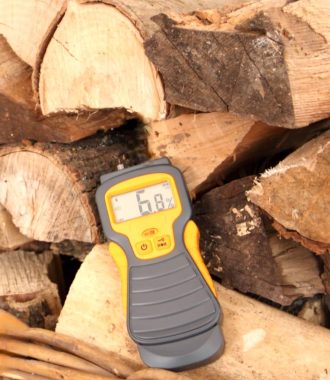
Wood is never perfect. Each board has grain, tension, and small flaws. If you rush, you miss them.
Before you cut, take a moment to really look at the board. Check the grain direction. Look for twists, knots, or cracks. Decide which face should be your reference. These small pauses help you avoid problems later.
Good woodworkers don’t just cut wood. They read it first.
Thinking Before You Act
Many mistakes happen because steps are done in the wrong order. A joint is cut too early. A piece is trimmed before checking the fit.
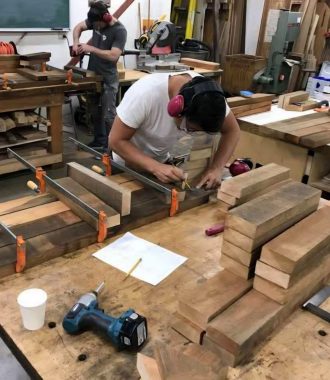
Stopping to think through the next few steps saves time in the long run. Dry fitting parts, checking alignment, and imagining how everything goes together prevents rushed fixes and frustration.
A few minutes of thinking can save hours of repair.
Letting Tools Do the Work
Tools work best when they are not forced. A sharp plane needs light passes. A saw cuts straighter when you let it move at its own pace.
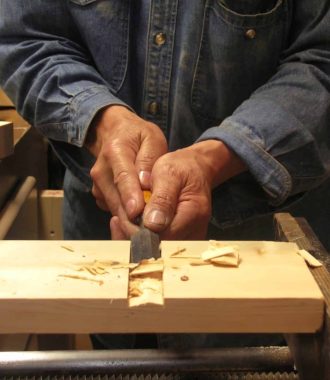
Pushing harder rarely improves the result. It usually leads to rough cuts, tear-out, or mistakes. Learning to ease off gives you more control and better results.
This is true for both hand tools and power tools.
Knowing When to Stop
One of the hardest skills to learn is knowing when something is finished. Overworking a surface can ruin it just as easily as underworking it.
With time, you learn when a joint is good enough and when it needs more work. You learn when to put the tool down and move on. That judgement only comes from slowing down and paying attention.
Woodworking Rewards Patience
The shop does not reward speed. It rewards care. Slowing down feels uncomfortable at first, especially when you want to see progress.
In reality, patience leads to cleaner joints, better surfaces, and fewer regrets. The quiet moments, where nothing is happening except checking and thinking, are often where the best work begins.