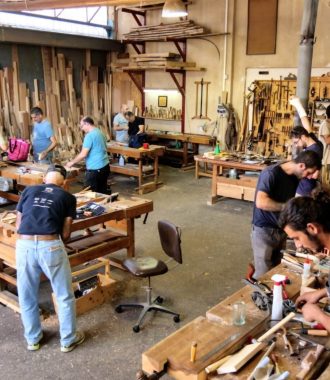





Woodworking is a rewarding hobby. You get to make useful things with your hands, learn new skills, and slow down for a bit. You do not need a big workshop or expensive tools to begin. With a small space, some basic equipment, and a bit of patience, you can get started at home.
Start Small
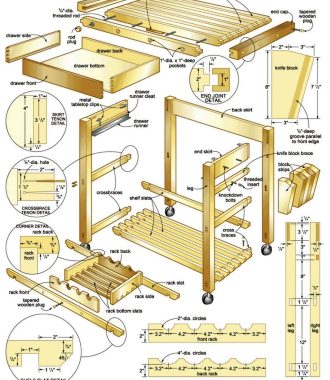
Many beginners make the mistake of choosing a project that is too complex. This can be frustrating and costly. Instead, start with something simple like a small shelf, a bird box, or a wooden box. These projects help you practise measuring, cutting, and joining without feeling overwhelmed.
Finishing a small project gives you confidence and keeps you motivated.
Choose the Right Wood
Softwoods such as pine are ideal for beginners. They are affordable, easy to cut, and widely available in the UK. You can find them at most DIY shops and timber merchants.
Hardwoods like oak or beech look great, but they are harder to work with and more expensive. Save these for later when your skills improve.
Always check your wood for twists or cracks before buying. Straight timber will make your project much easier.
Basic Tools You Actually Need
You do not need a full workshop to begin. A few hand tools will cover most beginner projects:
A hand saw
A tape measure
A square
A hammer
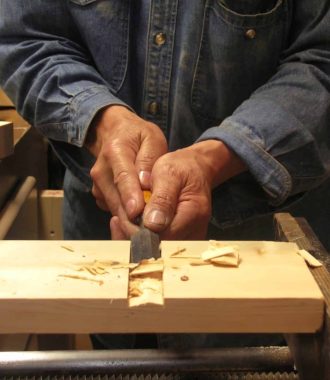
A set of chisels
Sandpaper or a sanding block
As you progress, you might add power tools, but they are not essential at the start.
Measure Carefully
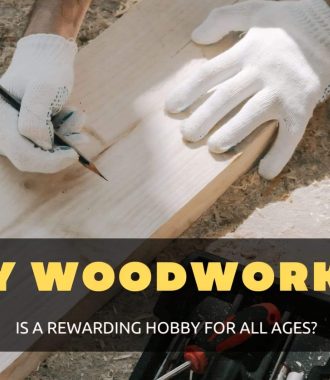
The saying “measure twice, cut once” exists for a reason. Take your time when measuring and marking your wood. Small mistakes can lead to gaps, wasted material, or parts that do not fit.
Use a pencil for marking and keep your lines clear but light.
Safety Matters
Woodworking is enjoyable, but safety should always come first. Wear eye protection when cutting or sanding. Keep your workspace tidy and avoid rushing, especially when using sharp tools.
If something feels unsafe, stop and rethink the approach.
Enjoy the Process
Woodworking is not just about the finished piece. It is about learning, problem-solving, and enjoying the time spent making something real. Mistakes will happen, and that is part of the process.
Each project teaches you something new.