

There’s a point in nearly every project when you feel tempted to hurry. Maybe a dovetail sits a bit loose, or a small gap shows up in a mitre joint. It’s simple to shrug it off and keep going. But most of the pleasure in woodworking comes from slowing down and paying attention to those details. It’s the difference between something that’s merely done and something you’re genuinely proud of.
A good way to practise this is by choosing a small, straightforward project and treating it like a study in patience. A little keepsake box works well. It doesn’t need much timber, and you can build it with basic tools. What it does ask for is care. The sides should be planed to the same thickness. The corners should meet cleanly. The lid should fit so neatly that it closes with a soft touch instead of a thud.
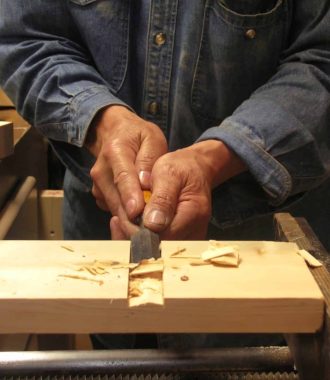
When you move at a steady pace, you start to see things most beginners miss. You hear the change in sound when a hand plane is set just right. You notice the grain switch direction as it moves around a knot. You sense how a tiny shift in your grip affects the way a chisel cuts. These small discoveries turn into habits, and those habits make your future projects far more enjoyable.
Taking your time also makes mistakes easier to learn from. Everyone has pushed a chisel too hard or followed the wrong pencil line. When you’re not rushing, you give yourself space to understand what went wrong. You stop fighting the timber and start working with it. That mindset pays off when you move on to bigger builds, like fitting cabinet doors or flattening a tabletop.
If you want something practical to try, end each session with a few minutes of tidying and reflection. Put your tools back, sweep your bench, and take a moment to look at what you’ve done. Ask yourself what felt tricky and why. You’ll be surprised how much clarity you gain from such a small habit.
Woodworking rewards steady effort more than speed. Some people build furniture to fill their homes. Others build because the craft itself feels grounding. Whatever your reason, giving yourself time lets the work shape you just as much as you shape the wood. That’s where the real satisfaction comes from.