





There’s something satisfying about working with hand tools. The pace feels calmer, the control is better, and the whole process connects you to the material in a way machines often don’t. If you’re just starting out, it can be hard to know which tools you actually need and how to use them without feeling overwhelmed. This guide walks through the basics so you can get going with confidence.
Choosing Your First Hand Tools
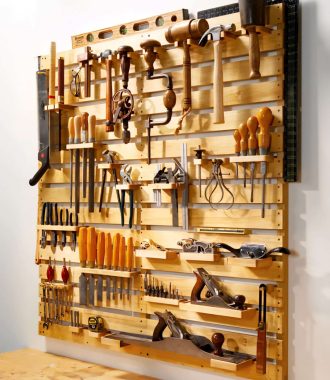
You don’t need a huge collection to begin. A few reliable essentials will take you a long way.
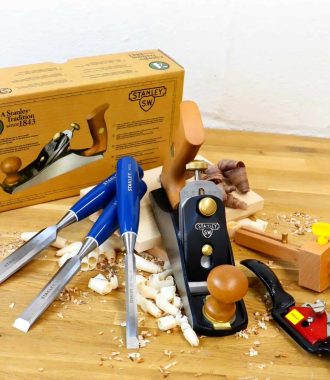
1. A decent block plane
A sharp block plane helps you clean up rough edges, level joints, and fine tune fitting work. Look for one with solid adjustment controls and a comfortable grip. A good plane will last for years if you keep the blade sharp.
2. A set of chisels
Start with three or four sizes. A 6 mm, 12 mm, and 25 mm chisel will cover most tasks. Make sure the backs are reasonably flat and the handles feel steady in your hand. Sharpening makes the biggest difference, so don’t worry if they aren’t fancy.
3. A tenon saw
This saw is perfect for cutting joints and making accurate, controlled cuts. Go for a rip cut pattern if you plan on doing more joinery work early on.
4. A reliable marking knife
Accurate marking is half the battle in woodworking. A marking knife gives you crisp lines that guide your saw or chisel far better than a pencil.
Setting Up Your Workspace
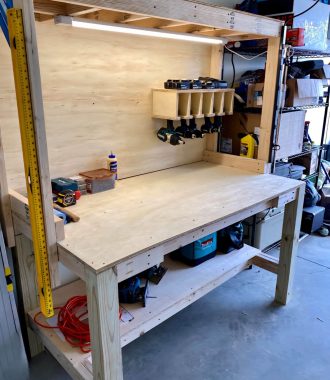
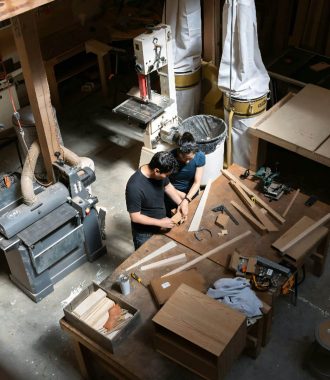
You don’t need a dedicated workshop. A sturdy table or workbench and good lighting will do. If you can secure your workpiece properly, you’re already ahead. A few clamps are worth having, as they keep everything steady and help you work safely.
Try to keep sharpening tools close by. Even a simple setup with a combination waterstone or diamond plate is enough. Sharp tools are safer, easier to control, and produce cleaner results.
Practising the Basics
Before you build anything, spend some time getting used to how your tools feel.
Planing
Take a scrap piece of softwood and practise making long, even shavings. Adjust the depth of cut until it feels smooth rather than jerky. This helps you learn how the grain behaves.
Chopping and paring
Use your chisels to cut small recesses or shape edges. Focus on keeping your hands steady and letting the tool do the work.
Sawing
Draw a few straight lines on scrap wood and practise following them. Start each cut gently so the saw teeth find their track.
A Simple First Project
A small shelf or a wooden box is a good beginner project. You’ll get to measure, mark, saw, plane, and chisel. The project is straightforward enough that you won’t get stuck, but it still teaches skills you’ll use again and again.
Final Thoughts
Woodworking with hand tools doesn’t need to be complicated or expensive. Start small, learn at a comfortable pace, and enjoy the quiet rhythm of it. Over time your skills grow, and so does your appreciation for the craft. If you make something a bit uneven or imperfect, that’s part of learning. What matters most is that you keep making.