


Woodworking has a way of drawing you in. The smell of freshly cut timber, the feel of a sharp plane slicing through grain, the quiet satisfaction of holding something you made with your own hands—it’s no wonder so many people fall in love with it. If you’re thinking about starting, you don’t need a shed full of tools or years of training. You just need a bit of patience, some basic kit, and the willingness to learn as you
Start with simple projects
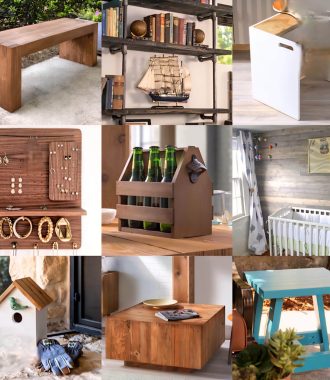
It’s tempting to dream of building a grand oak table or a fitted bookcase straight away. But the best way to learn is to start small. Projects like a simple stool, a wooden box, or even a bird feeder teach you the basics: measuring accurately, cutting straight, and fixing pieces together. These early wins build confidence and give you something useful at the end.
Tools you really need
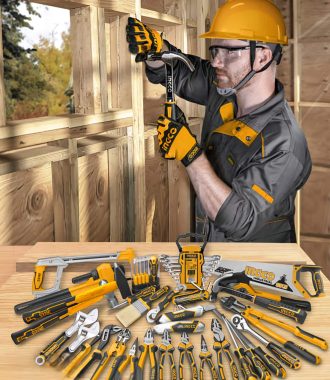
You’ll see endless lists of “essential” tools online, but in truth you can begin with a handful:
A good tape measure and a square for marking out
A saw (a sharp hand saw or a basic circular saw if you prefer power tools)
A hammer and some decent nails
A drill and a small set of bits
Sandpaper or a sanding block
With these, you can tackle most beginner projects. Add more as you learn what you enjoy making.
Learn to read the wood
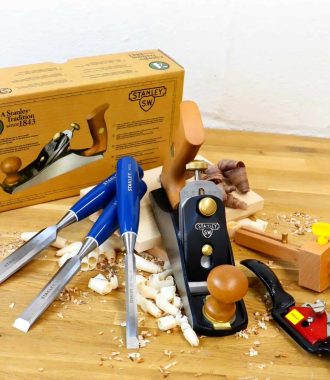
Timber isn’t like plastic or metal. It moves, it has grain, and no two pieces are the same. Pay attention to the way the grain runs, because it affects how easy it is to cut or plane. If you work with it, the job feels smooth and easy. If you work against it, the wood tears and splinters. Getting a feel for this is one of the real pleasures of woodworking.
Don’t chase perfection
Your first few projects won’t be flawless, and that’s fine. A wobbly joint or a scratch in the surface is part of the process. Every mistake teaches you something, and often the finished piece is more charming for it. The goal isn’t to be perfect—it’s to improve a little each time and to enjoy the making.
Safety matters
It sounds obvious, but don’t ignore safety. Sharp tools can be dangerous if you’re tired or distracted. Keep your work area tidy, wear eye protection when cutting or drilling, and respect your tools. It’s better to take things slowly than to rush and regret it.
The joy of it
There’s something deeply satisfying about turning a pile of boards into a piece of furniture or a simple object you’ll actually use. Even the smallest project can give you that sense of achievement. And once you’ve started, you’ll never look at wood in the same way again—you’ll start seeing possibilities everywhere.