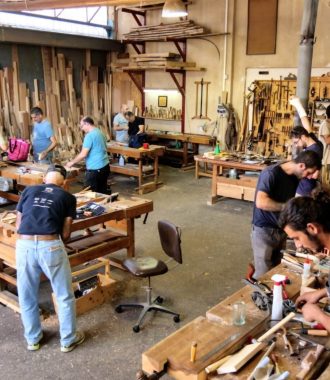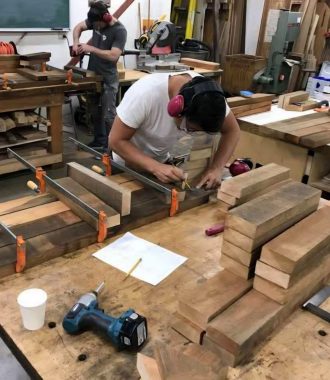


Woodworking has a way of slowing you down. Even when you don’t mean it to. You might walk into the workshop planning to make one quick cut, and suddenly an hour has passed. You’re still adjusting a joint or smoothing a surface. Time stretches. Your focus sharpens. That’s part of the appeal.
At its heart, woodworking is hands-on problem solving. A board twists when you weren’t expecting it. A joint almost fits, but not quite. A finish looks great in the tin and completely different on the wood. These aren’t failures. They’re part of the process. The wood is giving you feedback. Learning the craft means learning how to respond.
Wood Is Never Just Wood
One of the first things you learn is that no two boards are the same. Even timber from the same tree behaves differently. Grain direction affects how tools cut. Moisture affects how wood moves over time. Something that worked perfectly on one project might need changing on the next.
This can be frustrating, especially if you like things neat and predictable. Over time, though, it becomes one of the best parts of woodworking. You stop fighting the material. You start paying closer attention. You choose timber more carefully. You design joints that allow for movement instead of pretending it won’t happen.
Tools Matter, But Not How You Expect
It’s easy to think better tools mean better work. Tools do matter, but not in the way adverts suggest. A sharp, well-set tool in steady hands will beat an expensive one that isn’t properly understood.
Learning to sharpen and maintain your tools makes a bigger difference than buying new ones. A hand plane that’s set up well teaches you more about grain than any tutorial. A basic chisel, sharpened properly, can do very precise work.
The aim isn’t to own everything. It’s to know your tools well enough that you stop thinking about them while you work.
Mistakes Are Part of the Craft
Every woodworker has a pile of offcuts and half-finished ideas. A joint cut wrong. A finish that didn’t turn out. A project that looked better in your head than it does on the bench.
Experience doesn’t mean fewer mistakes. It means handling them better. You learn which ones matter and which don’t. You learn how to fix problems cleanly, and when to leave a small flaw alone because it doesn’t affect how the piece works.
Perfection isn’t the goal. Solid, honest work is.
Why It’s Worth It
Woodworking is real and physical. In a world full of disposable things, that matters. You can point to a piece and say, “I made that.” It will age. It will wear. It may even outlast you.
There’s also something grounding about working with a material that took decades to grow. It reminds you that good results take time. Patience often shows in the finished piece, even if no one else notices.
If you’re new to woodworking, stick with it. If you’ve been doing it for years, you already know why you keep coming back. The workshop doesn’t just produce furniture or boxes. It produces focus, patience, and the quiet satisfaction of making something real.