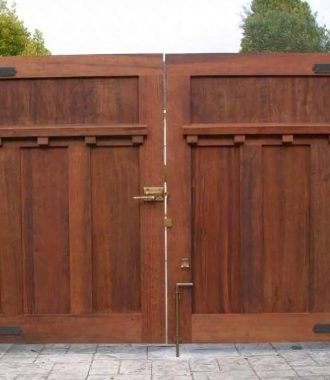
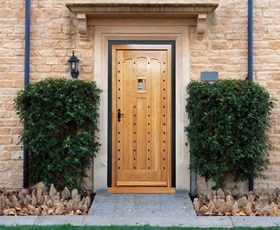
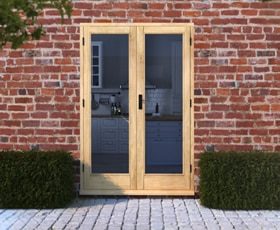
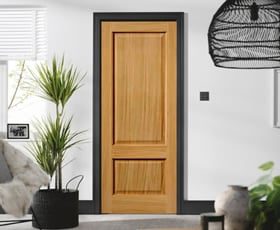


A driveway gate is often the first thing people notice about a property. It frames the entrance and sets expectations before anyone reaches the front door. A well made timber drive gate feels solid, welcoming, and considered. When it’s bespoke, it also fits the property properly, both in size and in style.
Timber has been used for gates for generations. It is strong, versatile, and suits a wide range of buildings. With the right design and joinery, a bespoke timber gate becomes a lasting feature rather than a short term fix.
Why go bespoke?
Many driveways are not standard. Openings vary in width, ground levels can slope, and existing walls or piers may not be perfectly square. Off the shelf gates are built to generic sizes, which often leads to compromises in fit and performance.
A bespoke gate is made to measure. It is designed around the exact opening, ground conditions, and how the gate will be used. This improves how the gate looks and how it works. Proper proportions reduce stress on hinges and posts, helping the gate stay straight and easy to use over time.
Bespoke work also allows freedom of design. From traditional to modern, every detail can be tailored to suit the property. Board widths, rail layouts, curves, bracing, and ironmongery can all be chosen with purpose rather than convenience.
Choosing the right timber
Timber choice is critical for an outdoor gate. Durability, stability, and appearance all matter.
Hardwoods such as oak, iroko, and sapele are commonly used for drive gates. Oak is a traditional favourite with strong character, though it does move as it ages. Iroko offers excellent durability with greater stability, making it a practical option for larger gates. Softwoods, including treated redwood, can also perform well when carefully selected and detailed, especially for painted finishes.
Good craftsmanship starts with good timber. Straight grain, minimal defects, and the correct moisture content all contribute to a gate that lasts.
Proper joinery makes the difference
A quality timber gate relies on joinery, not shortcuts. Traditional mortice and tenon joints, combined with well planned bracing, allow the gate to work as a single, strong structure.
Wood naturally expands and contracts with changes in moisture. Good joinery allows for this movement without splitting or twisting. This is one of the main reasons a well made gate can last for decades rather than a few seasons.
Design that suits the property
A drive gate should feel right for its setting. Rural properties often suit five bar or open framed designs. Period homes may call for close boarded gates with shaped tops and traditional ironwork. Modern buildings often work well with clean lines and simple detailing.
Privacy is another consideration. Some people prefer solid gates, while others like to see through to the house or garden beyond. A bespoke design allows you to balance privacy, appearance, and wind loading without compromise.
Finishes and protection
Timber gates can be left untreated to weather naturally, or finished with oils, stains, or paint.
Natural finishes allow the timber to silver over time. Oils and stains protect the wood while keeping a natural look, though they do require maintenance. Painted gates offer strong protection and a smart, formal appearance, but preparation and ongoing care are essential.
Details such as sealing end grain, allowing drainage, and keeping posts clear of standing water are just as important as the finish itself.
Automation and ironmongery
Many bespoke timber drive gates are automated for convenience. Automation places extra demands on the gate, so strength, balance, and accurate installation are essential.
Quality hinges and fittings matter whether a gate is manual or automated. Heavy duty or hand forged ironmongery not only looks right on timber gates but also stands up to regular use. Poor hardware is one of the most common causes of sagging and failure.
A worthwhile investment
A bespoke timber drive gate is an investment in materials, skill, and longevity. It adds value to a property and becomes part of its character.
More importantly, it feels right in daily use. The weight, the movement, and the sound of a gate that fits properly all reflect the care that went into making it. A well made timber gate does more than close an entrance. It defines it.