

Wood might look solid, but it is always moving.
You will not see it happen day to day, but over time it expands and shrinks. This is one of the main reasons doors stick, panels crack, or joints open up.
The cause is moisture.
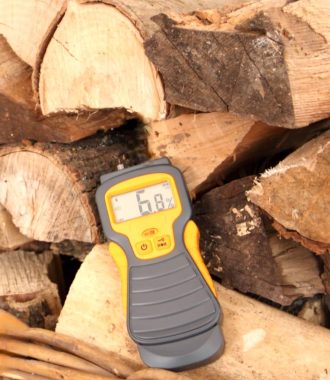
Wood takes in moisture from the air when it is damp. When the air dries out, it loses that moisture again. This change makes the wood grow and shrink.
The important bit is this. Wood does not move the same in every direction.
It moves a lot across the grain, and very little along the grain. That is why wide boards can cause more problems than narrow ones.
If you ignore this, things will go wrong.
In the workshop, it starts with how you store your timber. If you bring in cold or damp wood and machine it straight away, it will move later. Let it sit and settle first. Give it time to adjust to the workshop.
Good design makes a big difference too.
A simple example is a framed door with a loose panel. The panel is not glued in place, so it can move without cracking. This is how it should be done.
If you fix a solid panel tight on all sides, it will eventually split or bow. It is not a matter of if, just when.
Finishing helps, but it is not a fix on its own.
A finish slows down moisture getting in and out, but it does not stop it completely. The best approach is to finish all sides evenly. If you only finish one face, the wood can move unevenly and twist.
You will also notice movement more at certain times of year.
In winter, wood can swell slightly. In summer, it may shrink and leave small gaps. This is normal.
It is worth explaining this to customers so they know what to expect.
At the end of the day, wood movement is not a problem if you plan for it. It only becomes a problem when it is ignored.
If you allow for it in your storage, your design, and your finishing, your work will last longer and perform properly.