


If you’ve ever built something for outdoors and seen it twist, crack, or go black within a year, you’ll know timber choice matters. Pick the wrong wood and even a well-made job won’t last.
Here’s a simple guide to help you get it right.
Why timber fails outside
Wood naturally absorbs and releases moisture. In the UK climate, that happens all the time.
This leads to:
Warping and twisting
Splitting
Rot
Surface damage from sun and rain
The goal is to choose timber that can handle these changes.
Hardwood vs softwood
It’s not just about how hard the wood feels.
Hardwoods (oak, iroko, sapele):
Strong and durable
Better natural resistance to rot
More expensive
Softwoods (pine, redwood):
Easier to work with
More affordable
Need proper treatment for outdoor use
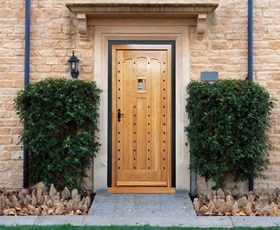
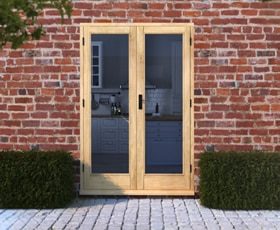
For doors and frames, hardwood is usually the better option. For general outdoor jobs, treated softwood can still work well.
Good timber choices for outdoors
Strong and long-lasting
Naturally resistant to rot
Can move and crack if not handled properly
Very stable
Hardly moves with moisture changes
More expensive, but very reliable
Durable and naturally oily
Good alternative to teak
Handles weather well
Treated Redwood Pine
Budget-friendly
Needs proper treatment
Good for fencing and garden work
Moisture content matters
Even the best timber will fail if it’s too wet when you use it.
Indoor work: 8–12%
Outdoor work: 12–16%
If it’s too wet, it will shrink and move later.
Good design makes a difference
You can’t stop the weather, but you can work with it.
Add drips and angles so water runs off
Avoid flat areas where water can sit
Seal the end grain
Allow for natural movement
Good design often matters just as much as the timber itself.
Finishing and protection
All outdoor timber needs some level of protection.
Oils look natural but need regular upkeep
Paint lasts longer and gives better protection
Stains sit in between
No finish lasts forever, so maintenance is key.
Final thought
There’s no single “best” timber. It depends on your job and budget.
For high-end work like doors and frames, it’s worth using something stable like Accoya or oak. For garden projects, treated softwood can do the job well if it’s built and maintained properly.