
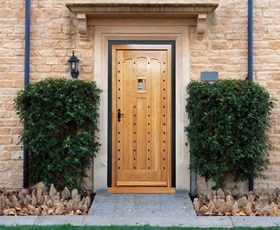
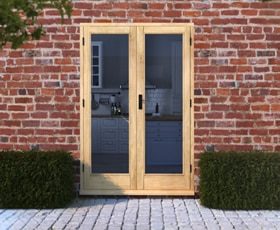
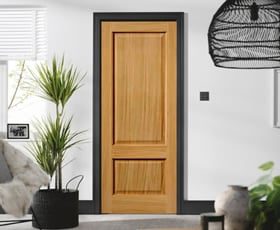
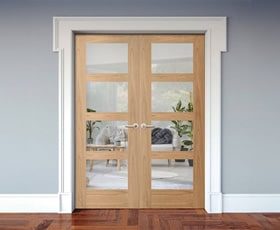


Wooden doors are a popular choice because they look good, feel solid, and last for years. But one thing many people notice is that doors can stick in winter and then feel slightly loose in summer. This is completely normal and comes down to how wood naturally behaves.
Wood is a natural material
Wood is not fixed like metal or plastic. It reacts to the air around it. When the air is damp, wood absorbs moisture and expands. When the air is dry, it releases moisture and shrinks slightly. This constant change is why doors can move a little through the year.
Why doors swell in winter
In the UK, winter is usually cold and damp. There is more rain, more condensation, and generally more moisture in the air. Because of this, wooden doors take in that moisture and expand slightly.
This is when you might notice a door starting to stick in the frame, or becoming harder to close. Sometimes it may rub a little when opening or shutting. External doors tend to show this more because they are exposed to the weather.
Why doors shrink in summer
In summer, the air is usually warmer and drier. When this happens, wood slowly releases moisture and shrinks back down a little. This can create small gaps around the edges of the door or make it feel slightly looser in the frame. You might also notice a bit more draught than in winter.
It’s moisture, not just temperature
A common misunderstanding is that heat or cold causes the change. In reality, it’s the moisture in the air that makes the difference. That’s why doors can still move indoors, even when they are not exposed to the weather. Everyday things like cooking, showers, and heating all affect humidity levels in the home.
Some doors move less than others
Not all wooden doors behave the same way. Solid timber doors tend to move more because they are made from one piece of wood. Engineered doors are more stable because they are built in layers that help balance movement. They still move slightly, but not as much.
What you can do about it
You cannot stop wood moving completely, but you can reduce how much it affects the door. Keeping paint or varnish in good condition helps protect the wood. Good ventilation in the home also helps control moisture levels. Making sure external seals are in good condition can reduce how much damp air gets in. In some cases, small hinge adjustments may be needed in winter if the door starts to stick.
When it might be a problem
Most seasonal movement is normal and nothing to worry about. However, if a door is badly warped, never fits properly, or starts to crack, then it may be a sign of a fitting issue or poor-quality material. In those cases, it’s worth getting it checked.
Summary
Wooden doors move because they react to moisture in the air. They swell in winter and shrink in summer. This is a natural process and completely normal. With proper care and good installation, wooden doors will continue to perform well for many years.