


If your front porch is past its best—cracked, rotten, or just looking tired—you’ve probably started looking at replacement options. Two of the most common choices are hardwood and uPVC. uPVC might seem like the simpler option: it’s cheaper, needs less upkeep, and can be installed quickly. But that doesn’t mean it’s the better choice.
Here’s why a handmade sapele hardwood porch is worth considering instead—and why it often makes far more sense in the long run.
1. It Looks Better—Plain and Simple
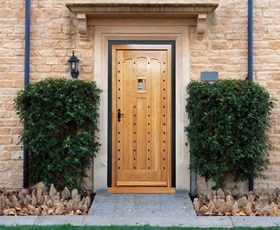
Your front porch is one of the first things people notice about your home. A well-made hardwood porch, especially in a rich, reddish timber like sapele, gives your house real character. It adds warmth and depth that plastic just can’t match.
uPVC, while tidy and low-fuss, tends to look a bit flat. On newer homes it might just about blend in, but on older or more traditional houses, it can look out of place. A wooden porch feels more solid and considered—and that difference is something visitors (and potential buyers) notice straight away.
2. Built to Last—and Built to Repair
Sapele is a dense, durable hardwood that’s naturally resistant to rot, weather and insects. If it’s treated properly and maintained, it can last for decades. And if part of it ever does need repair—say a post or bracket—it can usually be fixed without needing to replace the whole thing.
uPVC, on the other hand, tends to become brittle over time. It can crack, discolour, or warp in strong sun. And when that happens, it’s not something you repair—it’s something you replace. Hardwood gives you more flexibility and, ultimately, more value.
3. Made to Fit Your Home
When you go for a handmade porch, it’s crafted to suit your house. You can get the proportions right, match the style of your windows or front door, and create something that looks like it’s always been there.
uPVC porches usually come in standard shapes and sizes. They can look OK—but they rarely feel like a natural part of the house. With timber, you’re not picking from a catalogue—you’re having something made properly.
4. Better for the Environment
While no building material is perfect, hardwood has a big advantage over plastic in terms of sustainability. Sapele, when responsibly sourced, is a renewable material. It lasts a long time, can be repaired, and doesn’t rely on fossil fuels to produce.
uPVC is plastic. It’s made using oil, it’s not biodegradable, and it’s hard to recycle. And when it’s done, it’s landfill.
Final Thoughts
A hardwood porch costs more than a uPVC one, no question. But with that cost comes quality. You get a porch that looks right, lasts longer, and can actually add value to your home.
So if your old porch needs replacing, and you want something that’s built to last—not just function for now—go for handmade sapele. It’s a proper upgrade, not a quick fix.