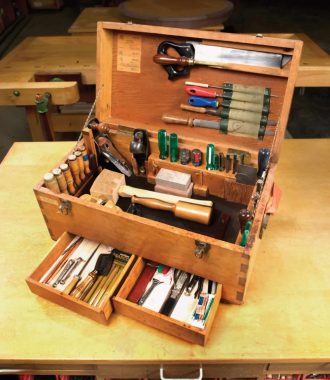






Woodworking is an ancient craft with a rich history that spans centuries. From simple tools to intricate techniques, the legacy of woodworking has been passed down through generations, shaping the world we live in today. In this blog post, we will explore the history of woodworking and its impact on society.
The Origins of Woodworking
Woodworking dates back to the early days of human civilisation. Archaeological evidence suggests that early humans used basic stone tools to shape wood for various purposes, including shelter, tools, and weapons. As societies evolved, so did woodworking techniques and tools.
Ancient Civilisations and Woodworking
In ancient Egypt, woodworking became a highly respected craft. Egyptian woodworkers used advanced tools and techniques to create furniture, coffins, and intricate carvings. The use of mortise and tenon joints, a technique still used today, was developed during this period.
Similarly, ancient Chinese woodworkers excelled in creating intricate wooden structures, furniture, and artwork. The Chinese developed the use of dovetail joints, which provided strong and durable connections without the need for nails or adhesives.
The Renaissance and the Golden Age of Woodworking
The Renaissance period marked a golden age for woodworking. European woodworkers honed their skills and created masterpieces that combined functionality with artistic expression. This era saw the rise of intricate woodcarvings, marquetry, and the use of exotic woods.
The Industrial Revolution and Modern Woodworking
The Industrial Revolution brought significant changes to woodworking. The advent of machinery and mass production techniques transformed the craft. Woodworking became more accessible to the masses, and new tools and technologies revolutionised the industry.
In the 20th century, woodworking continued to evolve with the introduction of power tools, synthetic adhesives, and advanced materials. Today, woodworking is a blend of traditional craftsmanship and modern innovation, with a strong emphasis on sustainability and eco-friendly practices.
Conclusion
The legacy of woodworking is a testament to human ingenuity and creativity. From ancient civilisations to modern times, woodworking has played a vital role in shaping our world. As we continue to explore and innovate, the rich history of woodworking serves as a source of inspiration and a reminder of the timeless beauty of this craft.
Thank you for joining us on this journey through the history of woodworking. Stay tuned for more insights and stories about the art and science of woodworking.